Monitor. Reason. Recommend. Act.
Give operations teams AI support that stays grounded in workflow context, permissions and measurable execution outcomes.
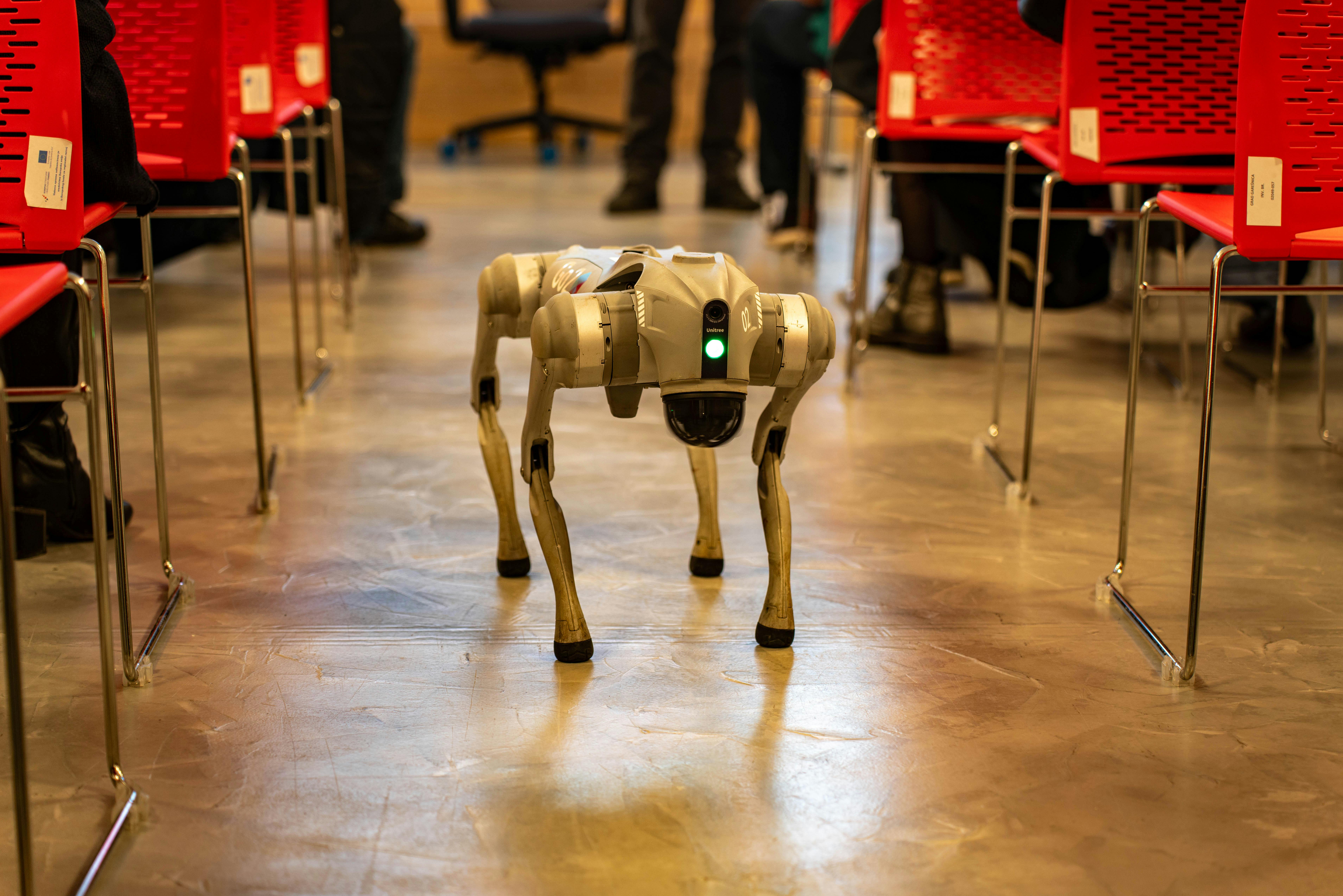
Give supervisors, planners and leaders trusted support for monitoring, recommendations and guided next actions across the network.
WareWise AI Agents are designed to help teams understand what is happening, what needs attention next and what actions can be safely automated. The result is faster decisions, fewer manual escalations and more consistent execution across the warehouse network.
From frontline guidance to supervisory monitoring and executive summaries, WareWise connects copilots, agents and governed workflows to the real decisions teams make every shift.
Give operations teams AI support that stays grounded in workflow context, permissions and measurable execution outcomes.
Answers process questions, surfaces next steps and explains exceptions in plain language during daily operations.
Tracks task queues, productivity changes, shortages and delay patterns to recommend interventions before service degrades.
Helps with wave planning, capacity balancing, replenishment timing and order prioritization based on live constraints.
Converts warehouse activity into management-ready summaries, risk signals and improvement opportunities.
Agentic AI in WareWise means the system can observe state, reason over operational policies, choose next-best actions, request approvals where needed and execute governed workflows across connected systems.
| AI Pattern | Typical Use | Operational Value |
|---|---|---|
| Conversational Copilot | Ask questions about orders, bins, shortages, delays, stock positions or tasks | Reduces reporting friction and speeds understanding |
| Recommendation Agent | Suggest the next best action for allocation, routing, reprioritization or exception handling | Improves supervisor decision quality and consistency |
| Autonomous Workflow Agent | Trigger alerts, create tasks, rebalance queues, request approvals and coordinate follow-ups | Shortens response time during disruptions and peaks |
| Executive Insight Agent | Summarize performance, outliers, risks and improvement opportunities for leadership | Connects warehouse activity to commercial outcomes |
Most organizations start with guided copilots and exception support, then expand into governed workflows once the team is comfortable with the controls, approvals and operational value.